

Walking into your mother’s house to find unpaid bills scattered across the table and spoiled food in the refrigerator isn’t just concerning, it’s a sign that something needs to change. For many Tucson families, these moments mark the beginning of a difficult journey with a loved one’s cognitive decline.
Memory care offers specialized support beyond what typical home care or assisted living can provide. As dementia and Alzheimer’s progress, the need for tailored care becomes essential for both safety and quality of life. This guide helps Tucson families understand memory care options, recognize when they’re needed, and find local resources to make informed decisions.
Understanding Memory Care: More Than Just Assisted Living
Defining Memory Care
Memory care is specialized support for people with cognitive impairments caused by Alzheimer’s disease, various forms of dementia, and other memory disorders. Unlike standard assisted living or nursing homes, memory care facilities provide targeted programs in secure environments designed specifically for those with memory issues.
These specialized units can exist as standalone facilities or as dedicated sections within larger assisted living centers, nursing homes, or retirement communities throughout Tucson.
The Core Purpose of Memory Care
Memory care focuses on providing round-the-clock support in structured, secure settings that balance safety with independence. Staff members are trained to address the specific challenges of memory disorders while creating daily routines that offer comfort and stability.
The primary goals are to slow symptom progression where possible, maintain dignity, enhance daily quality of life, and reduce the immense burden on family caregivers who may be struggling to provide adequate care at home.
Key Features and Services Offered in Tucson Memory Care Facilities
Specially Trained and Compassionate Staff
Staff members at memory care facilities receive specialized training in dementia care techniques, effective communication strategies, and methods for managing challenging behaviors that often accompany cognitive decline.
Most Tucson memory care facilities maintain lower staff-to-resident ratios than traditional care settings. This allows caregivers to provide more personalized attention and develop deeper relationships with residents, learning their preferences, histories, and needs for more effective care.
Safe and Supportive Environments
Memory care facilities incorporate thoughtful design elements to minimize confusion and prevent wandering, a common behavior in people with dementia. These facilities feature secured doors and outdoor areas, color-coded hallways to improve navigation, clear visual cues and signage, alarmed exits for resident safety, and simplified floor plans to reduce disorientation. The physical environment is carefully designed to create a calm, reassuring atmosphere with reduced noise levels, appropriate lighting, and familiar decorative elements that help residents feel at home.
Tailored Activities and Therapies
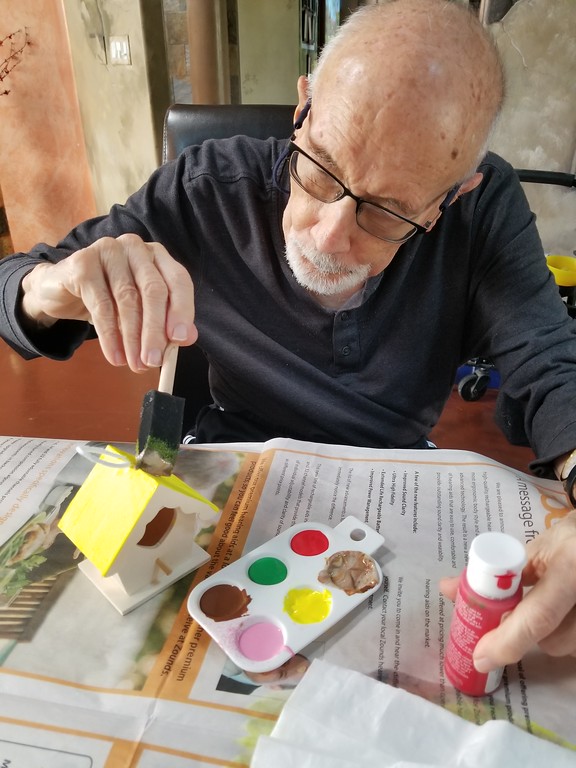
Activities in memory care aren’t just about filling time, they’re therapeutic interventions designed to engage residents cognitively, socially, and emotionally. Programs are tailored to different stages of dementia and individual abilities. These include brain fitness games and memory exercises, music therapy (which often reaches people even in advanced stages), art therapy for creative expression, reminiscence therapy using photographs and familiar objects, sensory stimulation activities, and gentle physical exercise programs. These activities help maintain existing skills, stimulate cognition, and provide meaningful engagement for residents despite their cognitive challenges.
Essential Daily Support
Memory care facilities provide comprehensive support with daily living tasks. This includes nutritious meals adapted to dietary needs and eating abilities, assistance with personal care (bathing, dressing, grooming), medication management and administration, housekeeping and laundry services, continence care when needed, and transportation to medical appointments. These services ensure residents maintain dignity and proper health management even as their self-care abilities decline.
Recognizing When It’s Time for Memory Care: Guidance for Tucson Families
Key Behavioral and Cognitive Changes
While occasional forgetfulness happens to everyone, certain patterns signal the need for professional memory care. Watch for financial management problems like unpaid bills or unusual spending, neglect of personal hygiene and household cleanliness, and safety concerns such as leaving stoves on or getting lost. Other warning signs include medication errors, skipping meals or weight loss, losing track of time or seasons, and withdrawing from previously enjoyed activities. Increased agitation, aggression, significant mood changes, wandering, struggling with once-familiar tasks, and difficulty recognizing family or friends are also concerning indicators. When these behaviors form a pattern rather than isolated incidents, it’s time to consider professional support.
Considering Caregiver Well-being
Caregiver burnout is a valid reason to explore memory care options. When providing care becomes physically and emotionally exhausting, leads to health problems, or creates financial hardship, the situation calls for change. Remember that seeking memory care isn’t giving up, it’s ensuring your loved one receives proper care while protecting your own health.
The Role of Healthcare Professionals
Before making decisions, consult with healthcare providers. Tucson has several geriatric specialists who can properly diagnose cognitive conditions and recommend appropriate care levels. Memory issues can sometimes result from treatable conditions like medication interactions, infections, or nutritional deficiencies rather than dementia.
Choosing the Right Memory Care Facility in Tucson: Important Considerations
Location and Accessibility
Select a facility that allows for regular family visits. Tucson’s geography and traffic patterns vary widely, so consider how easily you can maintain frequent contact. Regular family presence benefits residents and helps you monitor care quality.
Safety and Security Measures
Evaluate each facility’s approach to security. Look for features like secured outdoor spaces that allow safe access to fresh air, discreet but effective door alarms, and monitoring systems that respect dignity while preventing dangerous wandering.
Staff Training and Expertise
Ask specific questions about staff qualifications, such as what dementia-specific training caregivers receive, the staff-to-resident ratio during day and night shifts, whether there’s a nurse on-site 24/7, how staff handle challenging behaviors, and what the staff turnover rate is.
Activities and Social Engagement
Review the activity calendar and observe programs in action. Effective memory care programs offer variety while maintaining reassuring routines. Ask how activities are adapted for different cognitive levels and how staff encourage participation without causing stress.
Communication and Updates
Understand how the facility will keep you informed about your loved one’s condition, care changes, and any incidents. Ask about regular care conferences, daily communication methods, and emergency notification procedures.
Visiting and Observing
Visit potential facilities multiple times at different hours, including mealtimes and evenings when staffing may be reduced. Watch how staff interact with residents, whether residents appear clean, well-dressed, and engaged, the general atmosphere and cleanliness, how meals are served and assistance provided, and how staff respond to challenging behaviors. If possible, speak with family members of current residents about their experiences.
Understanding the Costs of Memory Care in Tucson
Average Costs
In Tucson, memory care typically costs between $4,000 and $6,500 monthly, depending on the facility, room type, and level of care needed. This represents a premium of about 20-30% above standard assisted living costs due to the specialized care and security features.
Medicare typically covers only medical services in memory care facilities, not room and board or personal care. Arizona’s ALTCS program (Arizona Long Term Care System), a Medicaid program, may help cover costs for those who qualify based on financial and medical need.
Finding Quality Memory Care in Tucson: Saguaro Ranch Luxury Assisted Living
When searching for memory care in Tucson, we at Saguaro Ranch Luxury Assisted Living stand out as Southern Arizona’s most distinctive assisted living facility. Located at the foot of the Tortolita Mountains and surrounded by the beauty of the Sonoran Desert, our spacious, upscale ranch house provides a calm environment that supports healing and well-being.
Specialized Memory Care Services
For those with intensive memory care needs, we offer resources for attentive long-term assistance with 24-hour supervision. Our caregivers are fully registered memory care specialists trained to address specific health situations like Dementia and Alzheimer’s disease. Unlike typical clinical settings, we provide memory care support in a beautiful ranch-style environment with many options for adventure and activities, helping residents live life to the fullest despite cognitive challenges.
A Community That Feels Like Family
Our team knows that quality memory care goes beyond basic needs. We integrate residents into a welcoming, luxurious community that feels like family. The peaceful desert scenery positively affects our staff interactions and resident care, creating daily rhythms of community life that bring ease and fulfillment.
Enriching Activities for Cognitive Health
Each day at our offers new adventures that stimulate cognitive function and improve quality of life. Our residents participate in activities like:
- Gardening and nurturing plants in the fresh desert air
- Creative pursuits like jewelry making, scrapbooking, and painting
- Nature walks across our ranch grounds
- Physical activities like yoga and Zumba
- Social events with live music
- Animal visits and other therapeutic interactions
These engaging activities help maintain cognitive skills while providing joy and purpose for residents facing memory challenges.
Making the Transition to Memory Care
The decision to move a loved one to memory care brings both relief and grief for many families. Remember that quality memory care often improves life for both the person with dementia and their family members. Many Tucson families tell us that once settled, their loved ones benefit from our structured environment and specialized programming while family relationships improve without the stress of full-time caregiving.
Take the next step by scheduling a tour with us to see firsthand how our unique approach to memory care can benefit your loved one.
Call us today at 520-800-0030 or visit our website to arrange your visit. Experience Southern Arizona’s most distinctive setting, where adventure blooms again, even for those facing cognitive challenges.