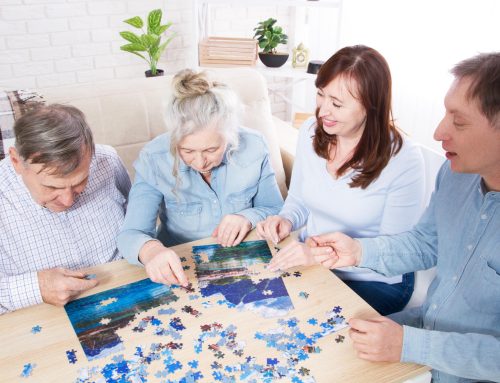

When touring a residential care home, ask about staffing levels and training, the services and amenities, as well as meal options. Other inquiries should cover the activities offered, emergency procedures, resident safety, and the possibility of personalizing living spaces. Knowing the facility’s policies on family involvement and visits is also important.
The population of Tucson, Arizona, aged 65 and over has nearly doubled since 1950, according to the U.S. Census Bureau. The shift increases the need for environments that promote healthy aging, ensuring seniors maintain physical and mental abilities through a balanced diet and regular physical activity, while staying socially connected and keeping their minds active.
Many seniors choose to spend their retirement years in a residential care home that caters to all of the above and where they can enjoy maintenance-free living and on-site amenities safely and comfortably. For seniors requiring assistance with daily activities, an assisted living facility can provide support while still allowing them to maintain their independence.
How do you know which Tucson senior living option is right for you? Asking the right questions while touring communities can help.
1. What Types of Care Services Are Offered On-Site?
This allows you to ascertain if the care services offered will meet your needs. There are several options available in Tucson, including:
- Residential Care: a non-medical homelike environment with assistance for daily activities, medication management, meal preparation, and housekeeping
- Nursing Care: varies from a supportive, health monitoring role in an assisted living environment to 24/7 medical care provided in a skilled nursing facility
- Dementia Care: a secure environment, specialized staff trained in memory care, structured routines, and tailored activities to support cognitive function
- End-of-life Care: comfort, pain management, and emotional support for residents in their final days
It’s important that the care provided can be adapted to your future needs. Knowing this ensures you will receive continuous, personalized support without disruptive moves.
2. Can I See the Rooms and Common Areas?
When touring various senior care communities, you can sense the type of atmosphere while observing staff interactions. It also provides an opportunity to assess the facility’s condition. Requesting to see the rooms and common areas enables you to inspect:
- Cleanliness
- Maintenance
- Accessibility
- Personal space
You may also be able to gauge residents’ comfort.
3. What Is the Staff-To-Resident Ratio and Staff Qualifications?
A lower staff-to-resident ratio generally means more personalized and attentive care, which is particularly important for residents with higher needs.
It’s also important to learn more about staff qualifications, as this can significantly impact resident safety and well-being. Training helps ensure high-quality care, effective emergency management, and the prevention of harm. In memory care facilities, staff should have specialized training in dementia and Alzheimer’s care.
4. How Does the Facility Handle Medical Emergencies and Safety?
One of the more important questions for caregivers is how emergencies and safety are handled. A satisfactory response should provide details on:
- Fire safety
- Emergency protocols
- Security measures
You should also check for state inspection reports or citations related to safety.
5. What Are the Meal Options and Dining Accommodations?
According to the Institute for the Advancement of Senior Care (IASC), 69% of survey respondents prioritize food quality when selecting a senior care community. You should, too, as nutrition plays a crucial role in healthy aging.
Although some residential care solutions offer residents the flexibility of preparing their own meals, health or mobility issues may make this difficult for some.
Knowing the availability of food choices ensures you can enjoy meals that meet your dietary needs and preferences. It’s also good to have the option of dining in a communal space or a private room.
6. What Amenities and Social Activities Are Available for Residents?
Communal dining not only helps improve nutrition, it also provides social connection that can combat loneliness, while offering mental stimulation through conversation. Many communities providing assisted living in Tucson, in addition to prioritizing personal care, also offer settings and opportunities for social engagement.
Consider facilities that place importance on:
- Outdoor spaces
- Recreational rooms
- Exercise
- Social activities
At Saguaro Ranch Luxury Assisted Living, we offer engaging activities in a beautiful, upscale setting surrounded by the Sonoran Desert. Residents can enjoy a range of on-site physical, social, and recreational activities to encourage social interaction and enhance cognitive function.
7. What Is the Facility’s Policy on Family Visits and Involvement?
Staying connected to family and friends can enhance seniors’ physical and mental health. Confirm the residential care home has visiting hours and spaces for family gatherings.
Residents’ family members and friends should be able to communicate with them regularly, not only to foster stronger connections but also to monitor and advocate for their health.
8. What Are the Costs, Contracts, and What Is Included?
Senior living costs and contracts will vary based on the level of care required, the size and style of the residence, community location, amenities, and services offered. Find a residential care home that suits your needs and budget, and ensure they provide a clear explanation of fees, additional charges, and payment policies. These should be clearly outlined in their care home guide.
Frequently Asked Questions
What Are 5 Services Commonly Offered at Long-Term Care Facilities?
Five common services offered at long-term care facilities include personal care assistance, such as bathing and dressing; nursing and medical care, often involving health monitoring and medication management; and rehabilitative therapies. Most facilities provide meals and nutritional support along with social and recreational activities.
At What Age Do Most People Enter a Nursing Home?
Most people enter a nursing home in their late 70s and 80s. The average age of new residents is typically around 83-84, while approximately 50% of residents are 85 and older.
Finding a Residential Care Home That Enhances Quality of Life and Provides Peace of Mind
When transitioning to a residential care home, the key to overcoming fear and anxiety is finding a place that provides security and comfort in a home-like setting, where your needs will be taken care of.
Such a place exists, and it is nestled at the base of the Tortolita Mountains, where the beauty of the Sonoran Desert abounds. It is against this ideal backdrop that residents of Saguaro Ranch Luxury Assisted Living can receive respectful care while enjoying engaging activities that improve overall well-being. Schedule a tour for a firsthand experience of upscale retirement living that will enhance your quality of life.